Artigo completo - precisa de acesso -
https://ai.nejm.org/doi/full/10.1056/AIp2600957?referrer=https%3A%2F%2Fwww.google.com%2FResumo -
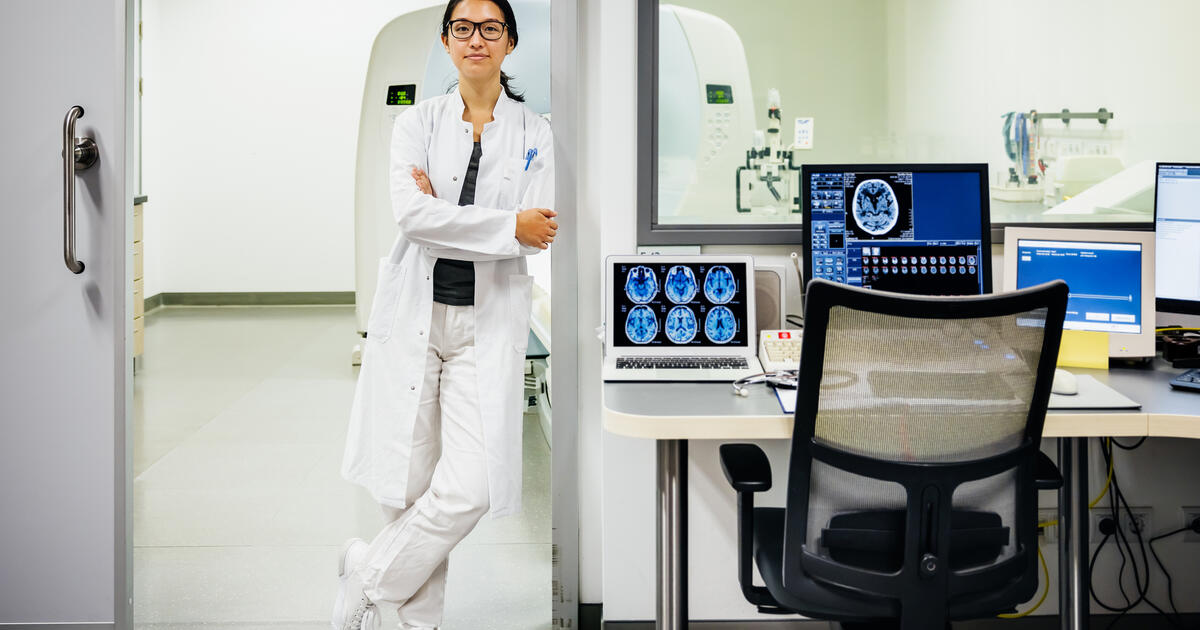 Study Investigates Which Specialties Are More at Risk of AI Substitution | FSI
Maior risco - Patologia, Clinicos, Radiologia
Nao entendi bem clinicos pq tem uma parte grande de exame fisico mas enfim
Risco baixo - Dermatologia, ortopedia, oftamologia
AI can already interpret medical images, draft diagnostic assessments, and converse with patients fueling predictions that it will replace physicians. Yet software cannot physically examine, biopsy, or operate on a patient, so the share of a specialtys work that requires in-person physical interaction sets a ceiling on how much of it AI alone could replace. Analyzing 2023 Medicare Part B claims nearly US$45 billion in payments to 589,648 physicians across 56 specialties we classify each billed service by whether it requires physical contact, setting aside evaluation and management (E&M) visits. The share of non-E&M work that is physical, and thus protected at present from AI substitution, varies widely across specialties and increases in the length of postgraduate training: Procedural fields such as dermatology and orthopedic surgery are largely shielded. Only about one fifth of all payments go to non-E&M services with no physical barrier to AI substitution. Physicians, however, concentrate in E&M-heavy specialties family and internal medicine where physical protection, as we measure it, is low. The fields most accessible as career paths and most needed to relieve primary care shortages thus face the greatest uncertainty, because AI could impact their work as either a substitute or a complement an outcome shaped as much by how AI is designed, deployed, and reimbursed as by the technology itself.
Physical limits to AI implementation are not permanent: Robotic and hardware- integrated systems may, over time, weaken the barrier in procedural fields, and AI may end up augmenting rather than replacing physicians in every specialty, the researchers wrote in their perspective. Yet progress in hardware technology moves more slowly than software, so the current differences between specialties are likely to persist for at least several years.